General
General
-
 Show more: Middle East Art MarketGeneral 01.02.2025
Middle East Art Market
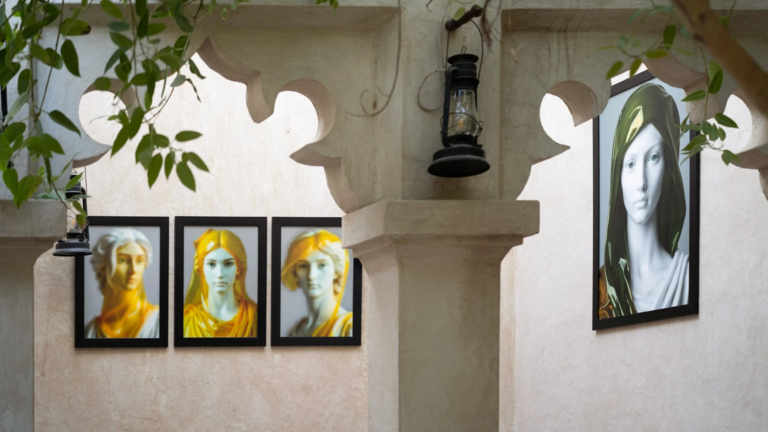
The Bibliotece de Arte gallery focuses on Polish contemporary art and the younger generation of artists. We strive to promote paintings and graphic art by contemporary artists on the Polish art market, but we also seek new markets and sales regions for them. One of the art markets that interests us most is the Middle East. Every year, we try to visit numerous exhibitions in the countries of the Arabian Peninsula. We visit Dubai and Abu Dhabi in the United Arab Emirates, Doha in Qatar, and Riyadh in Saudi Arabia. Oriental art from Arab countries has always been of interest to us, which is why we try to combine our passion with promotion and commercial activities in the Middle East region. We maintain collections of books, albums and catalogues of Polish painting exhibitions with oriental motifs. We explore the work of Polish painters from the 18th to the 20th century who depicted the culture of the Arab world of that time.
-
 Show more: Orientalism in Polish painting, drawing and graphic art of the 19th and 20th centuriesGeneral 06.01.2025
Orientalism in Polish painting, drawing and graphic art of the 19th and 20th centuries
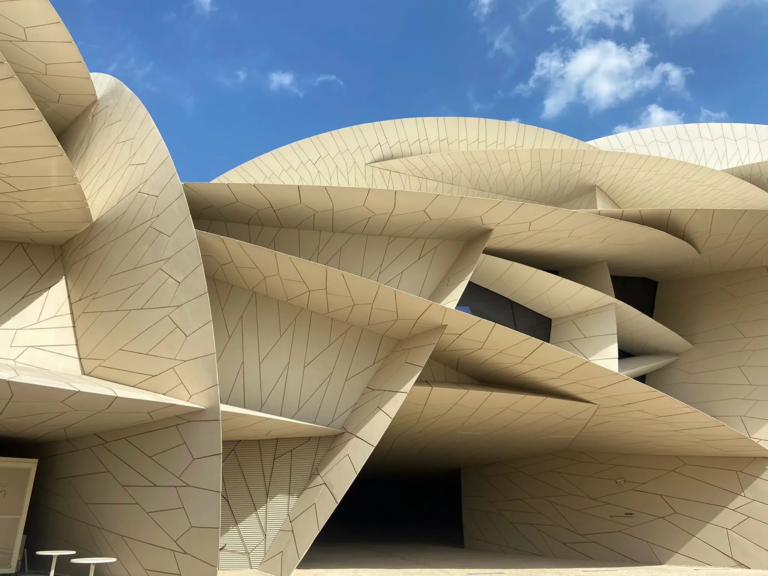
Orientalism – a fascination with the culture of the Near and Far East – was also uniquely reflected in Polish art of the 19th and first half of the 20th century. Inspired by travel, literature and European trends, Polish artists depicted exotic motifs, landscapes and figures from the Orient, weaving them into romantic or realistic narratives. The leading representatives of Polish Orientalism include painters such as Józef Brandt, known for his dynamic scenes of caravans and battles in Oriental settings, and Tadeusz Ajdukiewicz, who travelled around the Middle East and created realistic portraits of local inhabitants. Stanisław Chlebowski, court painter to Sultan Abdülaziz, and Franciszek Tepa, who captured the atmosphere of life in Egypt and the Middle East in his paintings, also played a unique role. Pantaleon Szyndler, fascinated by the subject of odalisques and harems, brought a touch of romantic orientalism to Polish painting. Other artists working in this vein included Jan Ciągliński, Wacław Pawliszak, Aleksander Laszenko, Franciszek Żmurko, Alfred Wierusz-Kowalski, Stanisław Kaczor-Batowski and Feliks Michał Wygrzywalski, who explored Eastern atmospheres, costumes, architecture and ethnic types in their works. In the 20th century, Orientalism underwent a transformation — artists such as Leon Wyczółkowski and Stanisław Ignacy Witkiewicz (Witkacy) used elements of the Orient as a source of symbolic and metaphysical meanings rather than literal representations. Orientalism in Polish art was therefore not just an attempt to recreate exoticism — it was also a reflection of the dreams, longings and aesthetic pursuits of the era. Today, these works remain a fascinating testimony to the cultural dialogue between East and West.
